
What Makes a Public Space Actually Work? A DFW Placemaking Framework
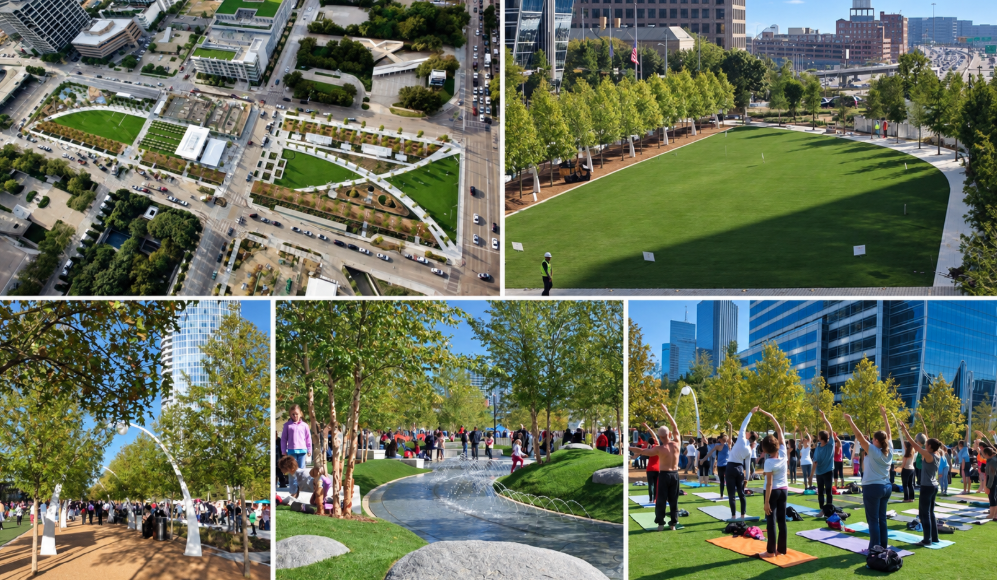
Great public spaces aren’t accidents. A proven framework built on access, comfort, activity, and sociability explains why some plazas thrive while others sit empty. It’s six o’clock on a Tuesday and the plaza outside a downtown Dallas office tower sits empty except for a security guard checking his phone. Six blocks away, a smaller square […]
Adaptive Reuse and Community Memory: When a Building Is Worth Saving
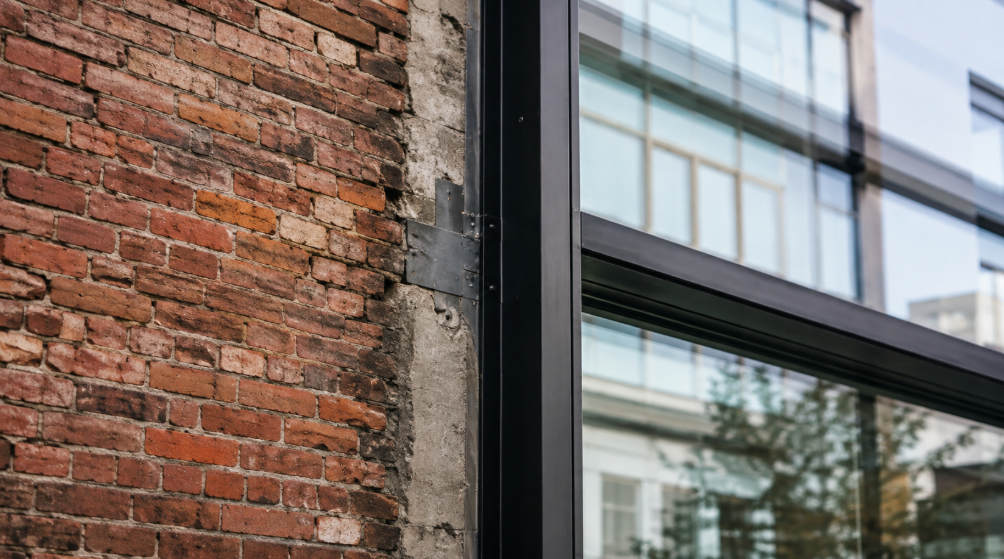
Some buildings are worth more standing than replaced. Here’s how to weigh the cost, the carbon, and the community memory before deciding to demolish. What if the most sustainable, energy-efficient building you could design for Dallas was actually built seventy years ago? That question sits behind a familiar call at Shanks Architects: a congregation, school […]
The Detail That Changes Everything: Authenticity at Interior Scale
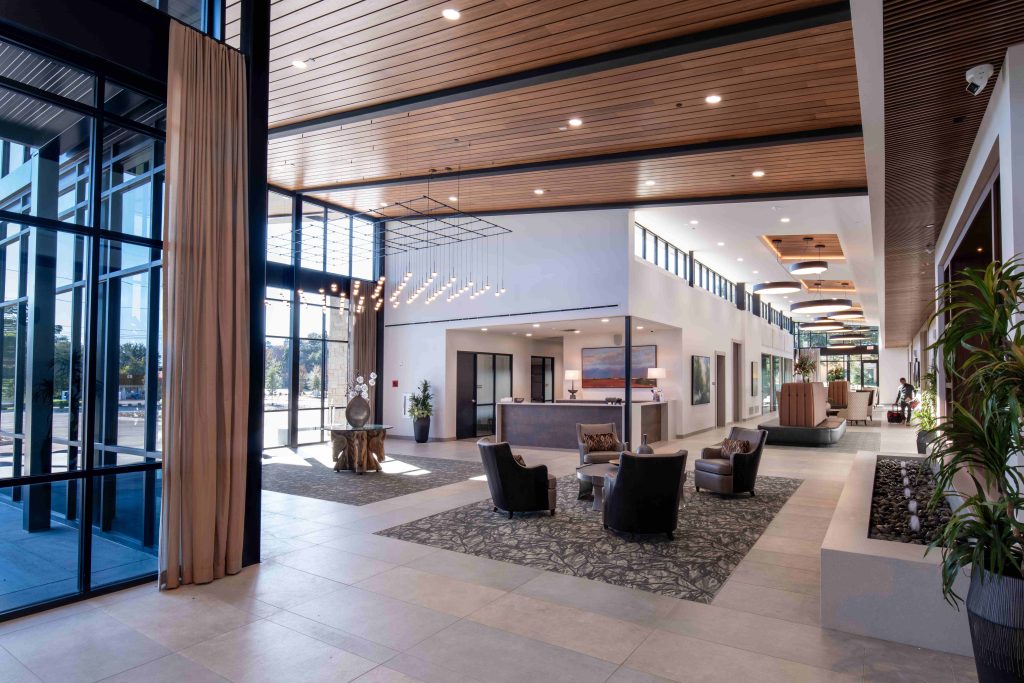
A room can look branded and still feel like nobody’s. Here’s what makes an interior feel unmistakably like the company it belongs to. Run a hand along a reception desk and the body knows immediately—even before your mind has formed an opinion—whether the surface is stone or a laminate built to look like it. Multiply […]
Authentic vs. Artificial: Why Manufactured Places Never Quite Land
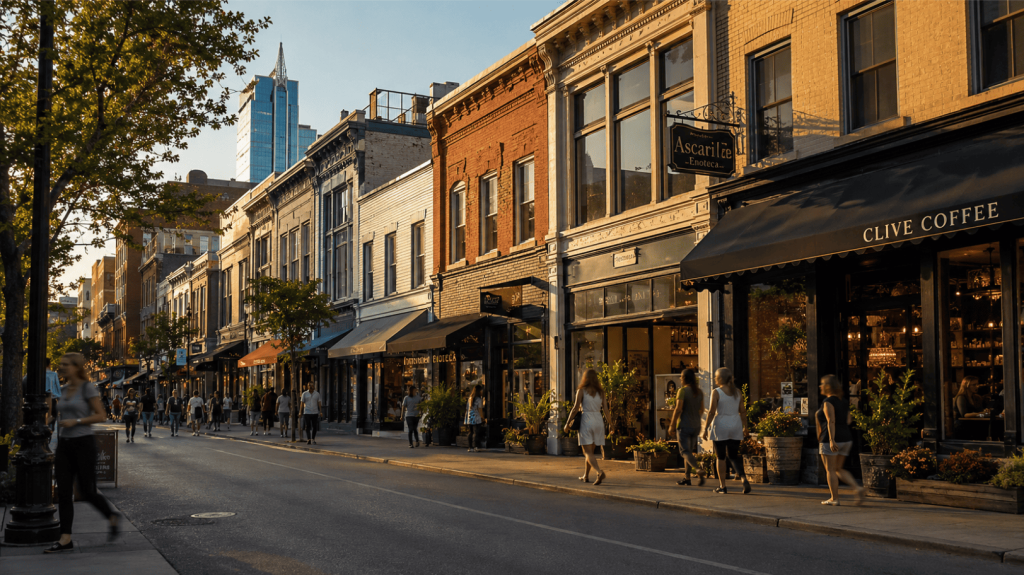
Authenticity isn’t a finish you apply at the end. David Shanks on the decisions that decide whether a new development earns its place, or just occupies one. You can feel the difference between a neighborhood and a stage set within thirty seconds of arriving. Your senses register it before you can explain why, and that […]
Designing for Dignity: How Memorial Spaces Serve Families When It Matters Most
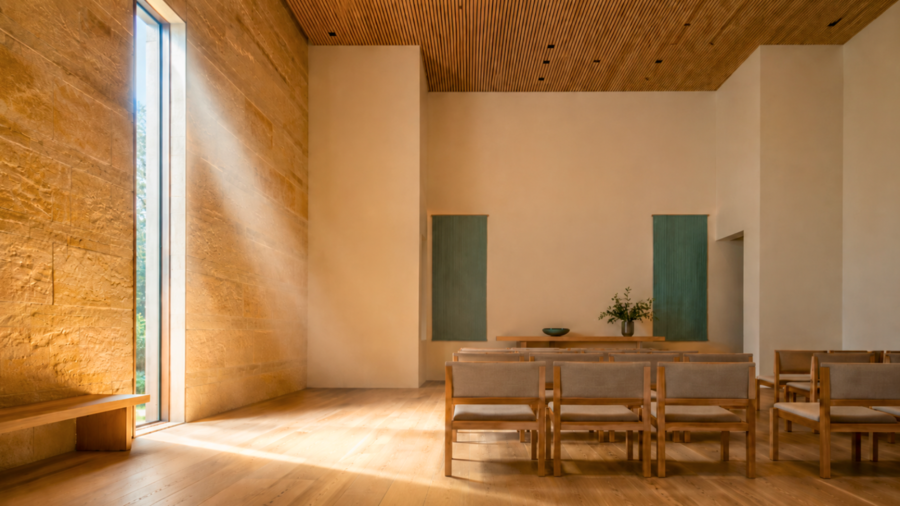
Funeral homes that feel institutional fail the families they serve. Designing for dignity means building warmth, privacy, and calm into the space from the first sketch. No one walks into a funeral home on a good day. A family arrives carrying the worst week of their lives, and what greets them is a corridor of […]
The Seven-Day Church
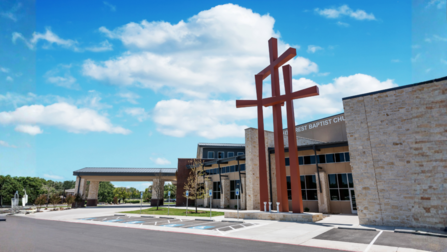
A church that sits dark six days a week is only doing part of its job. The fix begins at the drawing board, not the calendar. Drive through almost any American city on a Wednesday morning and count the empty parking lots. The church on the corner — the one that filled to capacity last […]
Community-Centered Design: How Architecture Creates Places Where People Belong
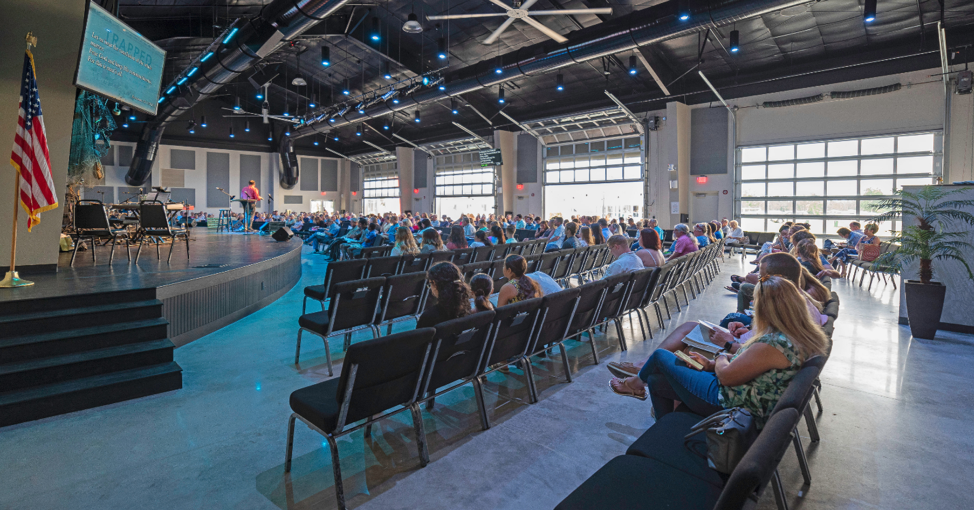
There are buildings people visit and buildings people return to. The difference is rarely about size, budget, or architectural ambition. It is about whether a space was designed with people at its center. Community-centered design starts from a simple premise: that the built environment exists to serve the people who live, work, worship, and gather […]